![podpod design ] light space object [](http://podpoddesign.at/wp-content/themes/Gravity/resources/images/logo.png)

Historical buildings
The apex of light design in general is the illumination of historic buildings, since this calls for the harmonisation of the principles of monument protection with users’ needs. Flair and skill make it possible to upgrade historic chandeliers to modern technical standards and to conceal state-of-the-art illumination technology effectively within the building’s architecture.
When creating a lighting set-up for historic architecture, the challenge lies in harmonising the requirements of monument protection with users’ needs. This calls for solid experience and special sensitivity. The dignity of the old buildings must be left intact; however, contemporary technologies indeed permit to create atmospheric light designs that generate a much more striking spatial effect than was possible in the original era of construction.
In case of buildings under monument protection, interventions into the very fabric of the edifice must be kept to a bare minimum. Solutions that (largely) make do with existing installation systems or are non-invasive should be chosen.
The visual effect of historic chandeliers can be markedly improved by retrofitting them with state-of-the-art LED technology while at the same time returning them as far as possible to their original – candlelit or gas-lit – design. Today’s high-quality LEDs with warm white light colour and excellent colour rendering resemble the light quality of bulbs yet consume only a fraction of the latter’s energy.
By discreetly positioning additional technical luminaires that are concealed in architectural features of a building and fitted with colour-coordinated housings to reflect their environment, rooms can be showcased at their best while attaining the required modern levels of illumination. The lighting of vertical, space-delimiting surfaces as well as of ceilings plays a decisive role in the subjective perception of a room’s brightness.
Residential/hotels
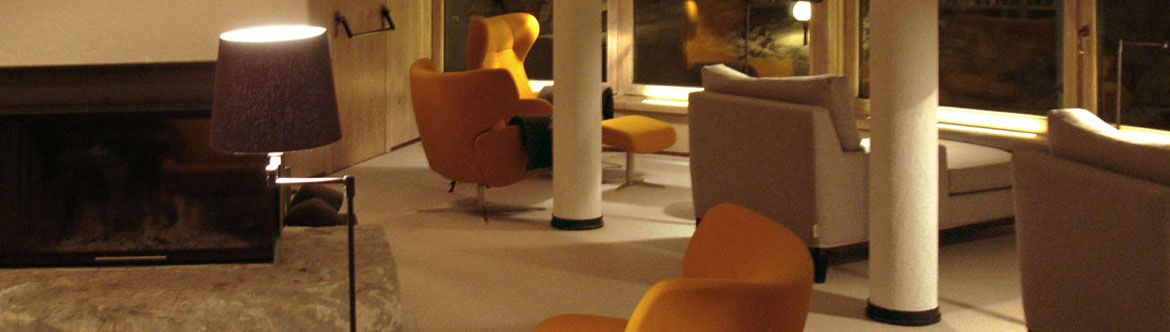
Light spaces designed for hotels and private properties must be individually adjustable and modifiable. A mix of various light sources makes it possible to conjure up different moods. Key tasks in this respect lie in conveying a sense of wellbeing and respecting health aspects, which also include light quality.
When planning light designs for hotels and private dwellings, it is particularly important to meet the needs and habits of users. Thus individually adjustable and modifiable light spaces must be created where people simply feel at ease. Modern control technology permits programming and implementing myriad combinations of different light levels and light sources to generate illumination modes for different moods, thereby complementing various activities and types of use.
Luminaires with high light quality and optimum spectral distribution promote physical, emotional and mental wellbeing. The illumination of vertical space-delimiting surfaces supports spatial perception by accenting paintings or other objects in space. Indirect lighting from the brightened-up ceiling makes any room appear higher and more open, while low-set light sources such as floor or table lamps recall archetypal campfires and thus convey a sense of relaxation.
The lower the light intensity, the warmer the colour temperature of the light may be (sunset); conversely, with higher light intensity, a cooler colour temperature may be chosen (daylight). Cool, weak light recalls foggy weather and as a rule is experienced as somewhat unpleasant.